
Engineering-led buyer content
Technical Insights
Practical articles that connect BESS product data with site inputs, electrical boundaries, safety evidence and quotation decisions.
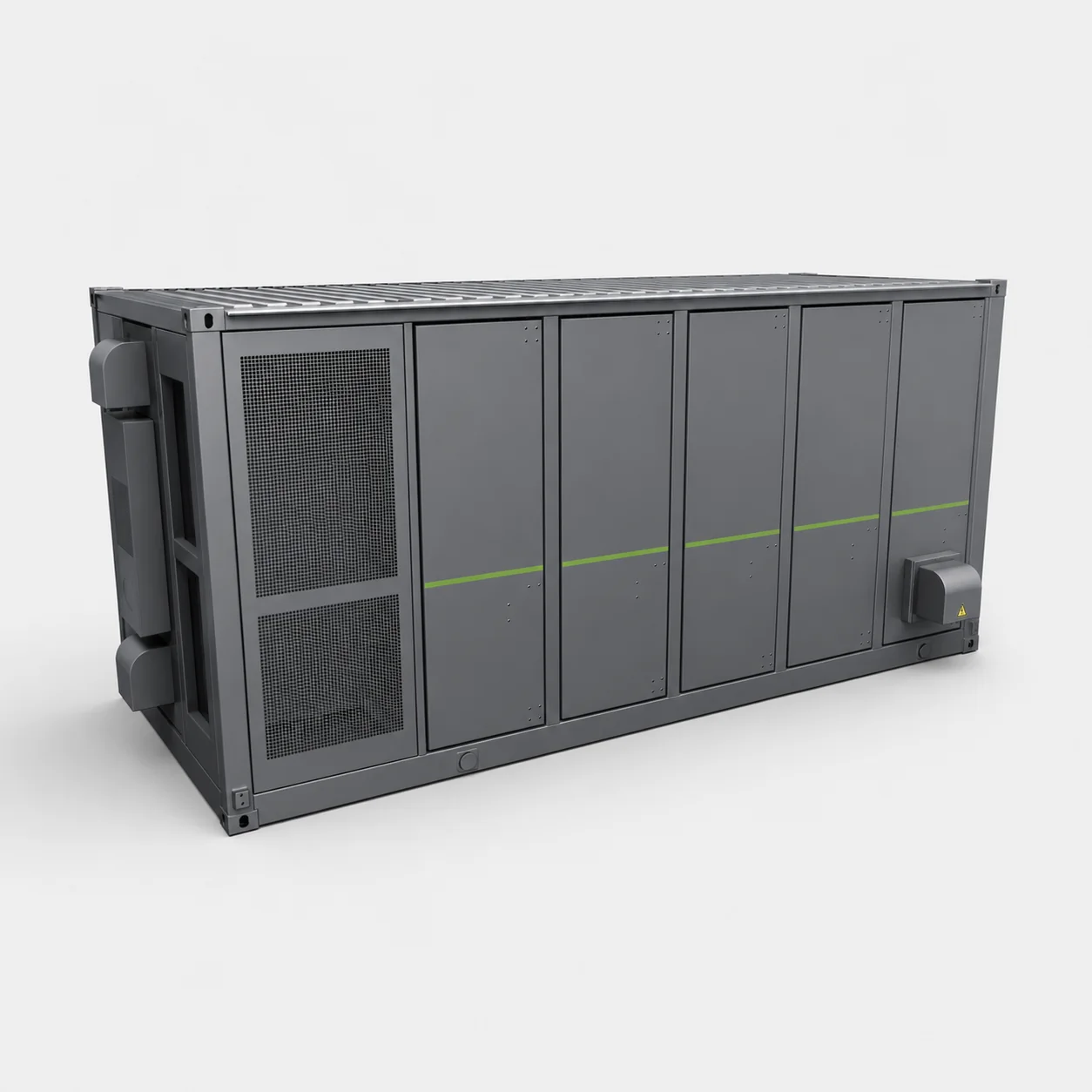
Latest insight
See how four operating problems change the BESS design.
Our newest article turns peak shaving, solar shifting, backup and microgrid objectives into measurable project inputs.
C&I Energy Storage System Use Cases: 4 Project Scenarios
Compare four illustrative scenarios, their starting kW and kWh inputs, control priorities and documented equipment candidates.
Read the insight →More insights
Continue the system selection review.
Core topics
From site data to factory evidence.
Each topic is written to help a buyer ask for comparable, documented project scope.
Configuration and sizing
Translate operating objectives into PCS power, usable energy, duration and a practical cabinet or container format.
Electrical and control boundary
Resolve grid voltage, transformer, protection, EMS logic, communications and operating modes before quotation.
Safety and delivery evidence
Connect design documents, FAT, shipping, commissioning and warranty responsibilities to the equipment scope.
Cornerstone guides
Continue the project review.
Use the established technical guides when a project question needs a detailed checklist or calculation basis.
2-Hour vs 4-Hour Battery Storage Systems
Compare usable energy, PCS power, SOC reserve and operating duty.
Read technical guide →Electrical design400 V vs 690 V BESS Electrical Design
Review current, switchgear, transformer and project interface implications.
Read technical guide →Cost planningCommercial Battery Storage Cost Factors
Separate equipment, balance of system, delivery and commissioning scope.
Read technical guide →SizingPeak Shaving Battery Storage Sizing
Translate interval demand and target peak into kW and usable kWh.
Read technical guide →Safety evidenceBESS Fire Protection Documents Checklist
Request design basis, alarm logic, component data and test evidence.
Read technical guide →Project inputsHow to Prepare a BESS Load Profile
Build a quotation-ready interval data pack with context and quality checks.
Read technical guide →Procurement
Compare BESS supplier quotes with a controlled scope.
Align usable energy, interfaces, evidence, delivery and responsibility before comparing totals.
How to Compare C&I BESS Supplier Quotes: A Scope Checklist
Use a line-by-line checklist for battery, PCS, EMS, safety, grid interface, FAT, commissioning and exclusions.
Read the quote checklist →EPC delivery
Define the C&I BESS boundary before procurement.
Connect operating inputs, platform selection, electrical interfaces, evidence and site handover in one EPC-ready scope.

C&I Energy Storage Solutions for EPCs: Scope, Interfaces and Delivery Checklist
Use a practical checklist for site inputs, cabinet or container selection, interfaces, responsibility, FAT and commissioning.
Read the EPC scope guide →System integration
Make the C&I BESS boundary executable.
Use a responsibility, interface and handover checklist to compare system integrators before an RFQ becomes a site problem.
C&I Energy Storage System Integrator: Scope, Interfaces and RFQ Checklist
Review integrator ownership, PCS and EMS interfaces, document schedules, FAT, commissioning and warranty handover.
Read the integrator RFQ checklist →Delivery and handover
Control the BESS handover after shipment.
Use a receiving, storage and installation-readiness checklist to keep exceptions visible from delivery to commissioning.
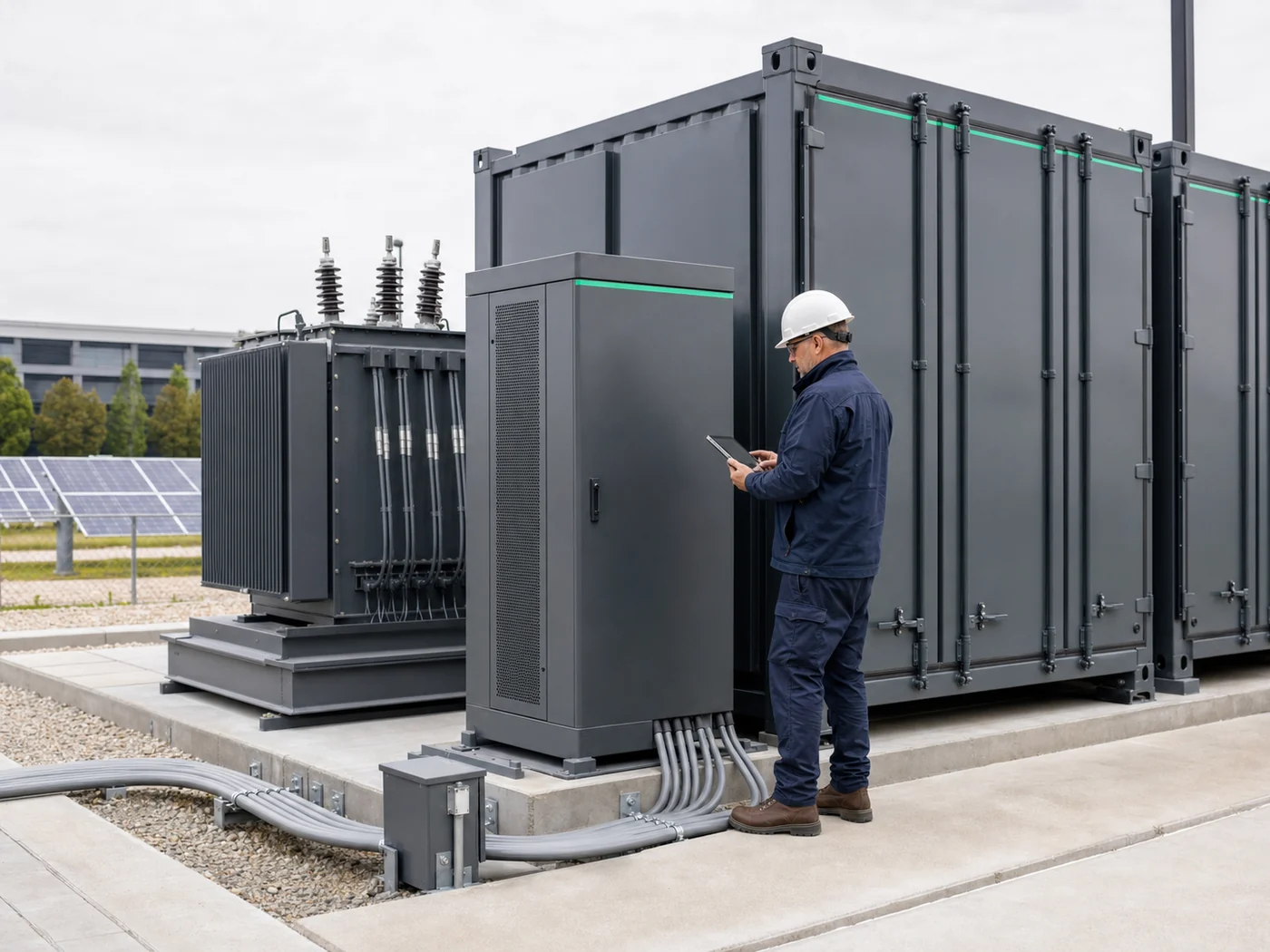
BESS Post-Shipment Inspection Checklist: Delivery to Site Handover
Verify shipping condition, serials, storage, installation readiness, documents and warranty boundaries.
Read the post-shipment inspection checklist →Quality evidence
Trace the system from cell lot to site serial.
Use a record-by-record checklist to verify cells, modules, power equipment, firmware, FAT and shipment serials.
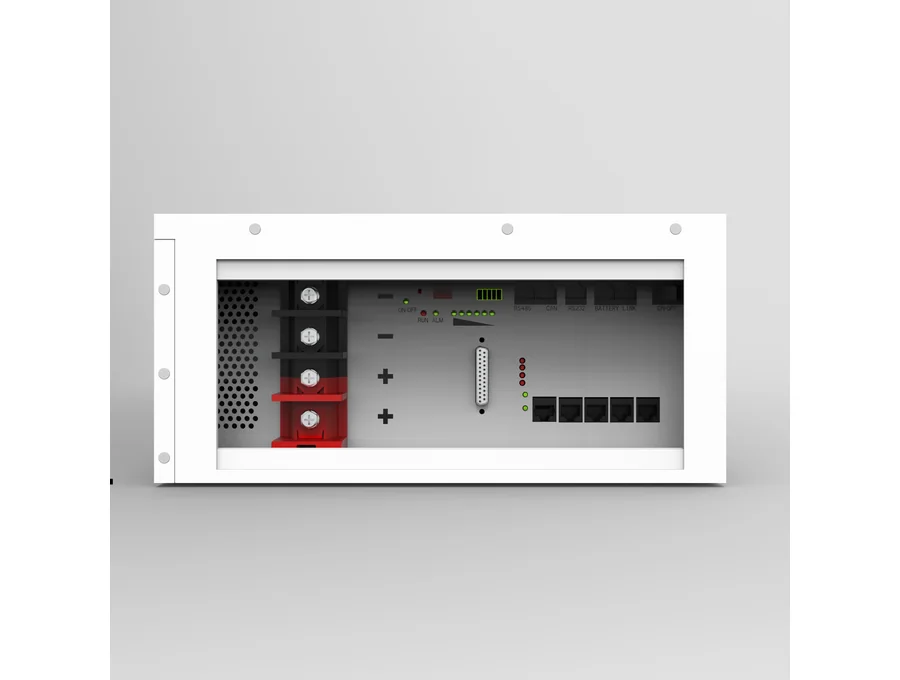
BESS Supply Chain Traceability: How to Verify Cells, Modules and Serial Records
Map traceability levels, request checkable records, sample serial numbers and control substitutions before acceptance.
Read the traceability checklist →Installation planning
Prepare the site before the cabinet arrives.
Check space envelope, foundation, drainage, climate limits, lifting route and connections before delivery day.
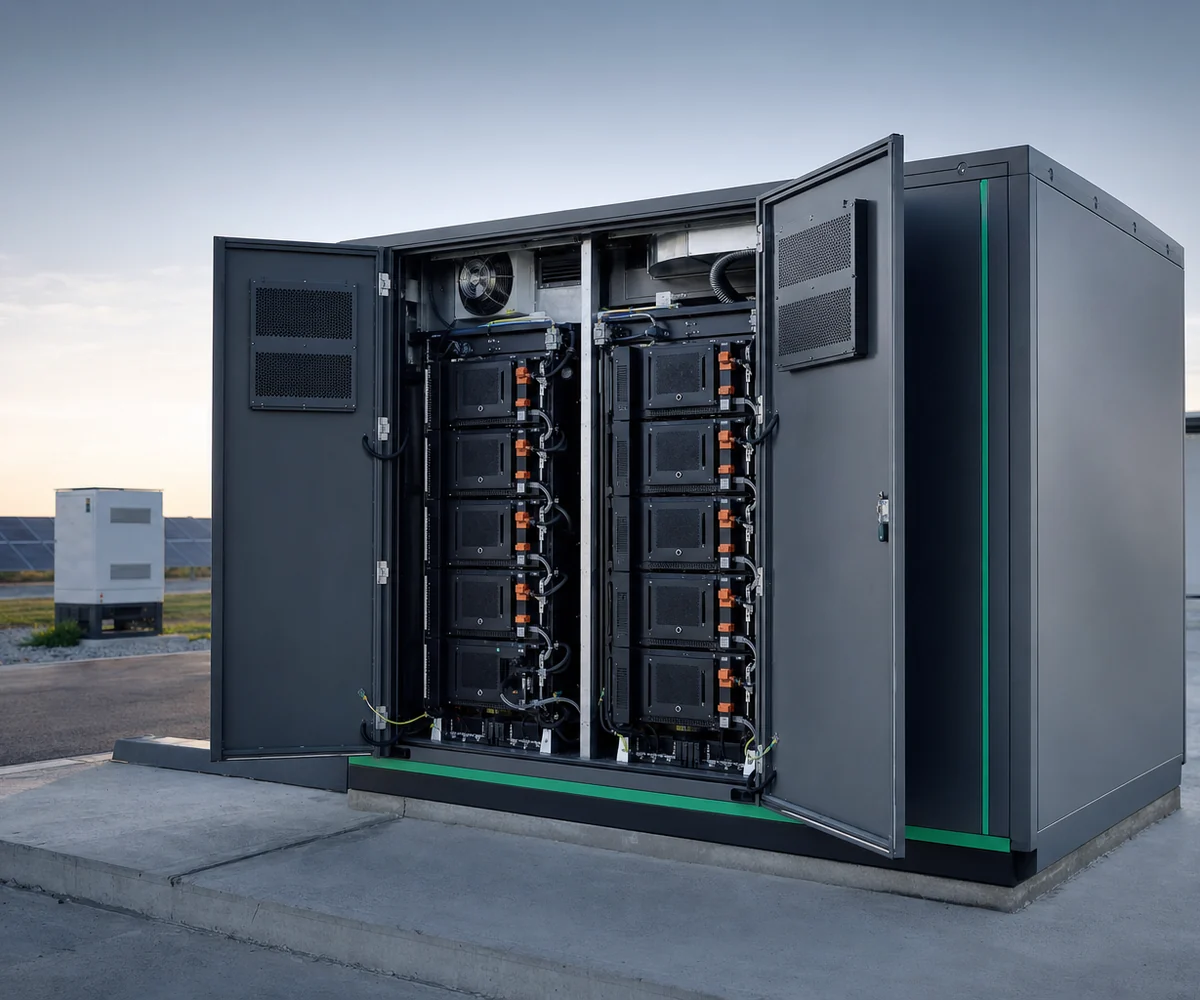
Outdoor Battery Cabinet Installation Requirements: Space, Foundation and Site Checklist
Plan the space envelope, foundation, environment limits, lifting, cable entry, earthing and pre-energization checks.
Read the installation checklist →Factory assessment
Verify the factory before the deposit.
Audit real line capacity, incoming inspection, process control, end-of-line testing, calibration and corrective action.
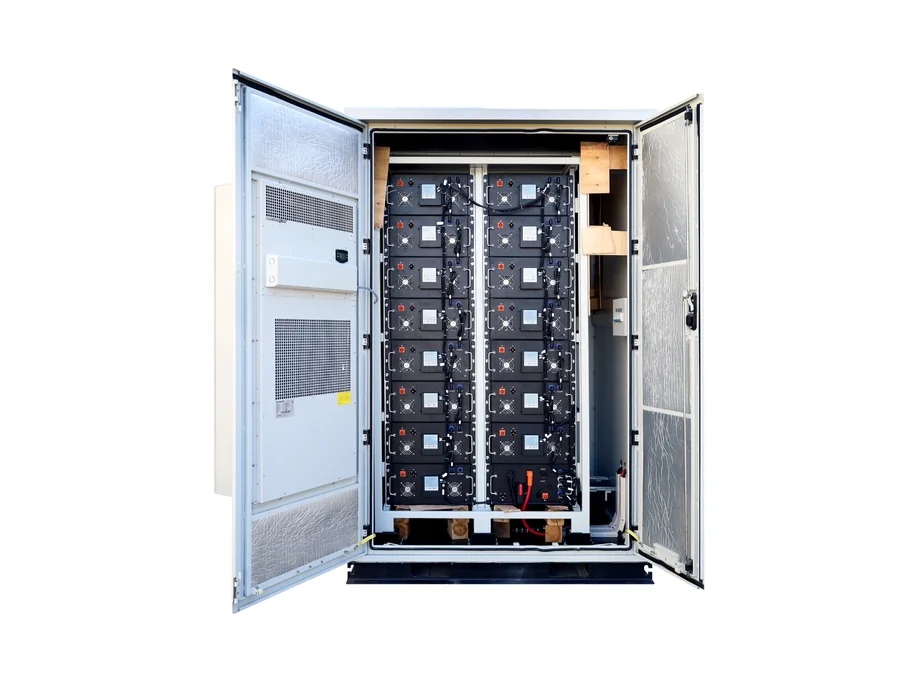
BESS Factory Capability Assessment: What to Audit Before You Order
Check whether a manufacturer can build your configuration repeatedly, at your volume and schedule, before you order.
Read the factory assessment checklist →System selection
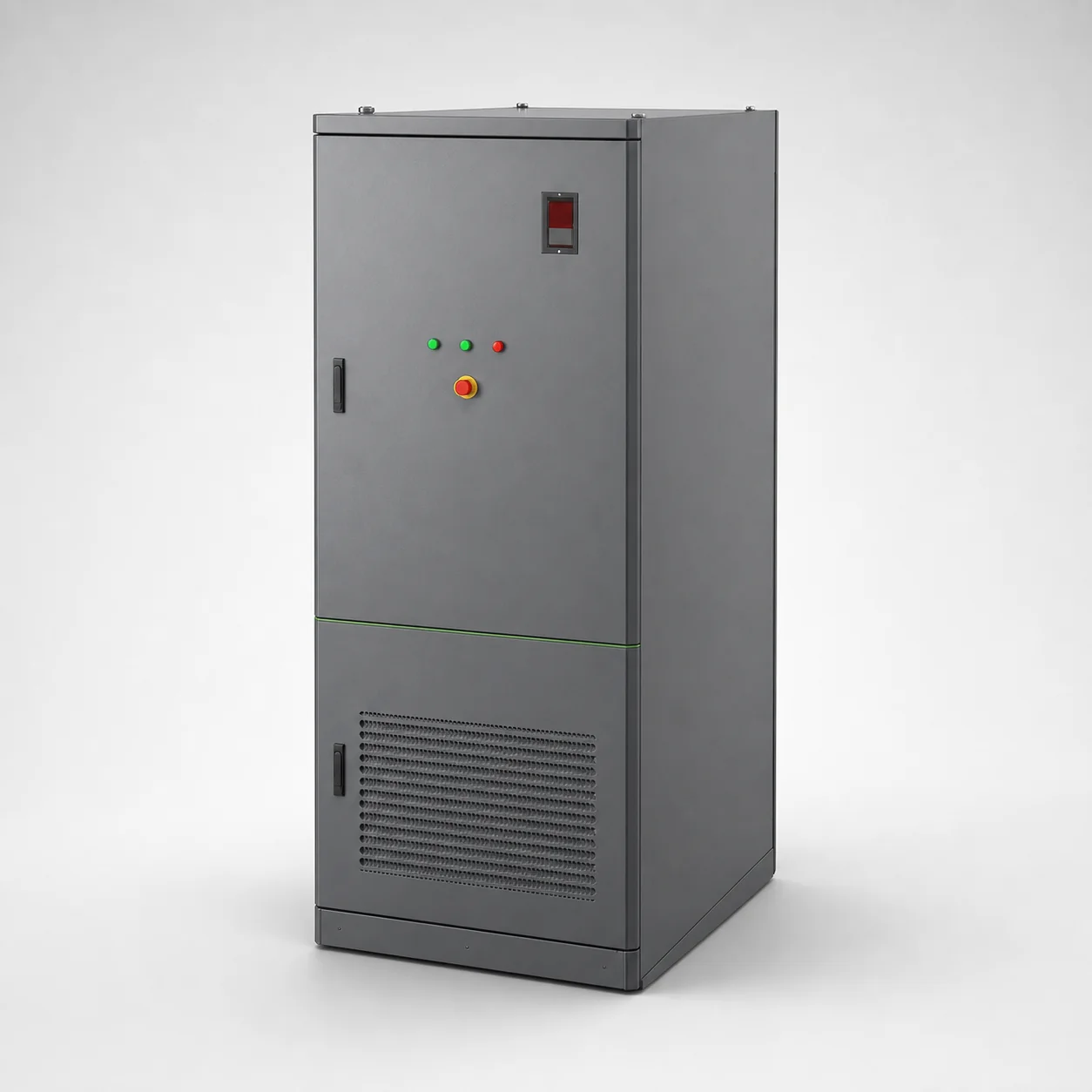
Choose the right 100–500 kWh cabinet.
Match PCS power and usable energy to the site duty, compare documented cabinets and know when to step up to a container.
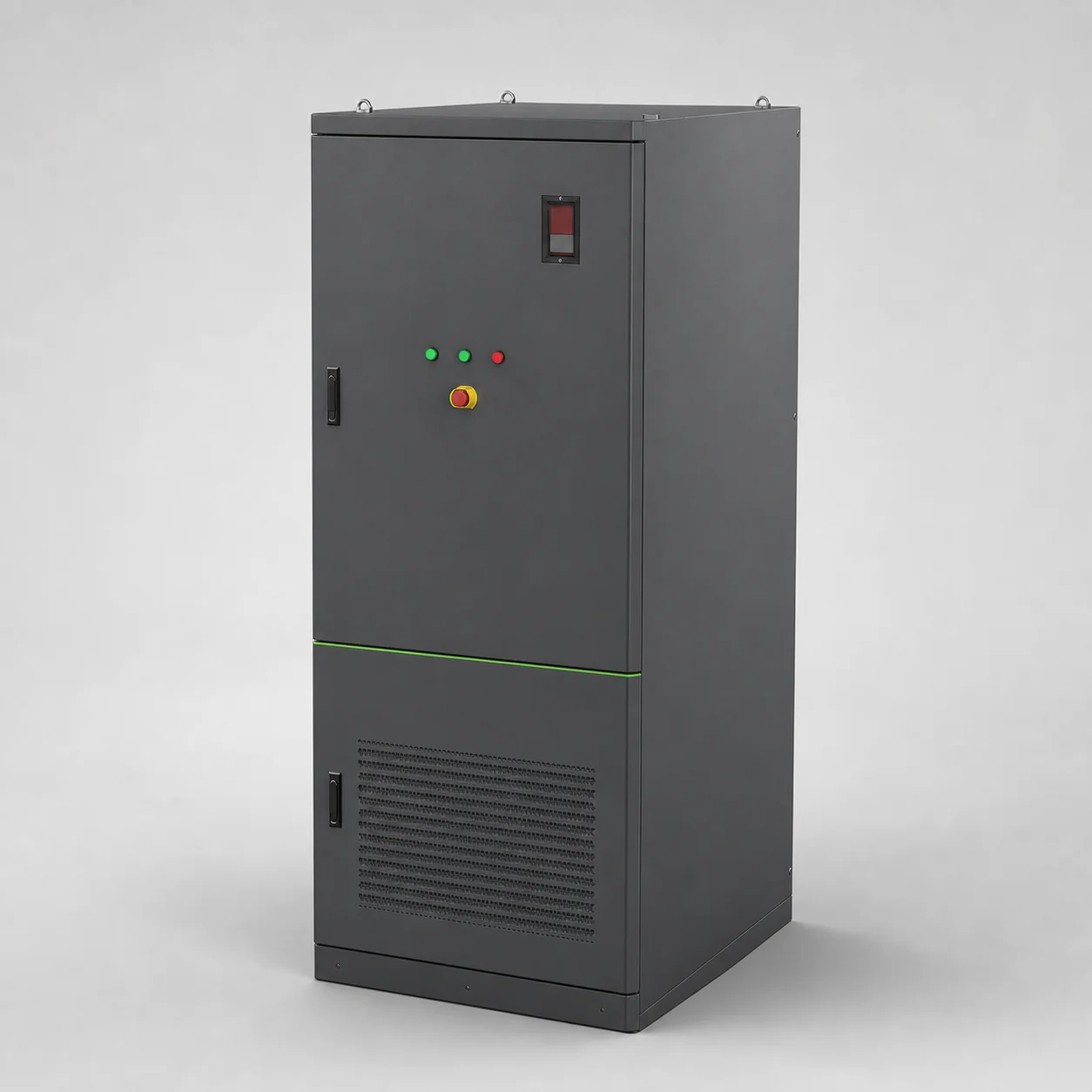
Small C&I Energy Storage: How to Choose a 100–500 kWh Battery Cabinet
Compare 233, 261 and 522 kWh cabinets and a PV-storage-diesel hybrid for small commercial and industrial sites.
Read the small C&I storage guide →Turn an article into a project input pack.
Send the site data and operating target. We will identify missing scope before configuration review.