
Procurement and scope control
How to Compare C&I BESS Supplier Quotes: A Scope Checklist
A BESS quote is only comparable when the technical boundary, evidence package and site responsibilities are written in the same language.
The short answer
Do not rank C&I BESS offers by headline kWh price before aligning the supply boundary. A useful BESS supplier quote comparison checklist records the battery and PCS rating basis, usable AC energy, EMS and communications, cooling and fire scope, AC/DC and transformer interfaces, delivery and commissioning, documents, warranty assumptions, exclusions and the party responsible for each site activity.
Step 01 · Scope
Start with one controlled scope sheet
Send every supplier the same project brief: site country, grid voltage, point of connection, operating objective, interval load and generation data, required duration, ambient range, footprint, transport access, communications, schedule and acceptance boundary. If one supplier prices a complete turnkey package while another prices battery containers only, the two totals are not comparable.
Every line in the RFQ should be marked included, excluded, optional or by others. “To be confirmed” is a risk item, not a neutral answer.
What is being guaranteed?
Rated DC energy, usable AC energy, continuous kW, duration, SOC window, ambient derating and end-of-life basis.
What is being purchased?
Equipment, spares, packaging, freight, duties, installation labor, tests, training and document deliverables.
Who does the work?
Supplier, EPC, civil contractor, electrical contractor, grid operator or site owner for every interface and test.
Step 02 · Equipment
Separate the battery, PCS, EMS and auxiliary scope
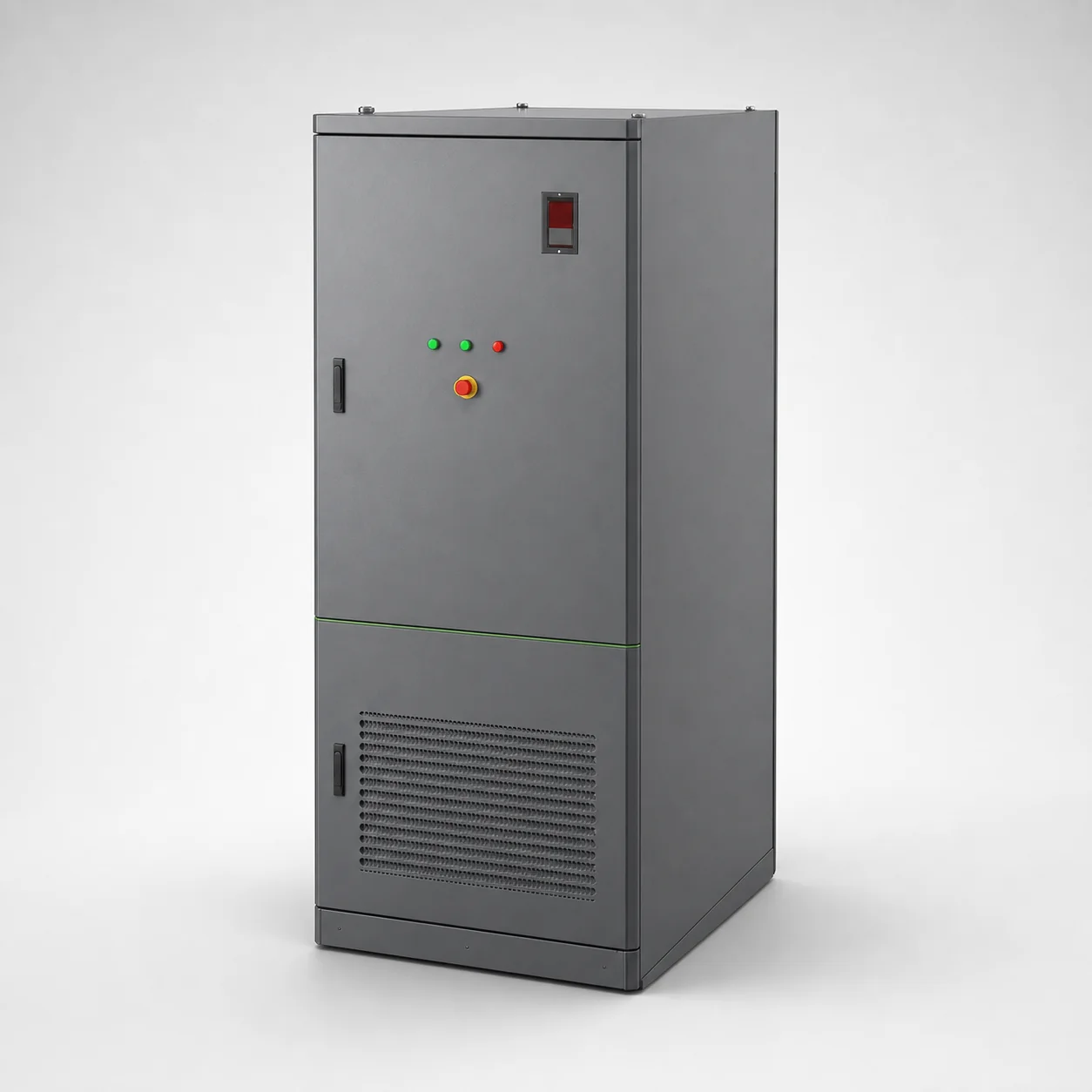
Ask the supplier to identify the exact equipment included in the quoted block. A cabinet or container may include battery racks, BMS, PCS, HVAC, fire detection and internal controls, but the boundary varies by model and project. Use the documented product systems pages as a reference for the product rating, then ask the supplier to state what changes for the project.
| Scope line | Quote must state | Evidence or question to request |
|---|---|---|
| Battery and BMS | Cell chemistry, rack/string count, rated energy, usable-energy definition, SOC limits and degradation basis. | Datasheet, BMS functions, alarm list, temperature range and the operating window used for any guarantee. |
| PCS and controls | Continuous and overload kW, kVA, voltage, frequency, power factor, grid-forming or grid-following mode. | PCS datasheet, single-line diagram, control modes and active-power capability at the requested ambient condition. |
| EMS and communications | EMS hardware, dispatch logic, meter location, SCADA protocol, remote access and cybersecurity boundary. | Point list, protocol map, control narrative, user roles and responsibility for integration testing. |
| Cooling and fire | HVAC or liquid cooling, auxiliary power, fire detection, suppression, ventilation and alarm interfaces. | Thermal design basis, alarm matrix, fire documents and the site interface required by the authority having jurisdiction. |
Do not assume that a product page rating is the same as a project guarantee. The quote should label whether each value is rated, nominal, usable, guaranteed or subject to a separate test.
Step 03 · Electrical boundary
Draw the AC, DC and medium-voltage interface
Many quote differences appear outside the battery enclosure. One supplier may include an AC combiner and transformer; another may stop at the PCS terminals. Compare the point where each party hands over power, protection, controls and documentation.
Confirm the packaged equipment
Battery racks, BMS, PCS, internal DC collection, HVAC or liquid cooling, fire detection, local controller, internal cabling and factory tests.
Confirm project-side work
Foundations, cable trenches, external switchgear, transformer, MV connection, protection study, grounding, network, permits and civil works.
Use one voltage and power basis
State whether kW, kVA, reactive power and efficiency are measured at the PCS output, LV bus, transformer LV side or grid point of connection.
Assign the integration owner
Name who supplies meters, CTs, fiber, protocol gateways, SCADA tags, emergency-stop circuits and energization support.
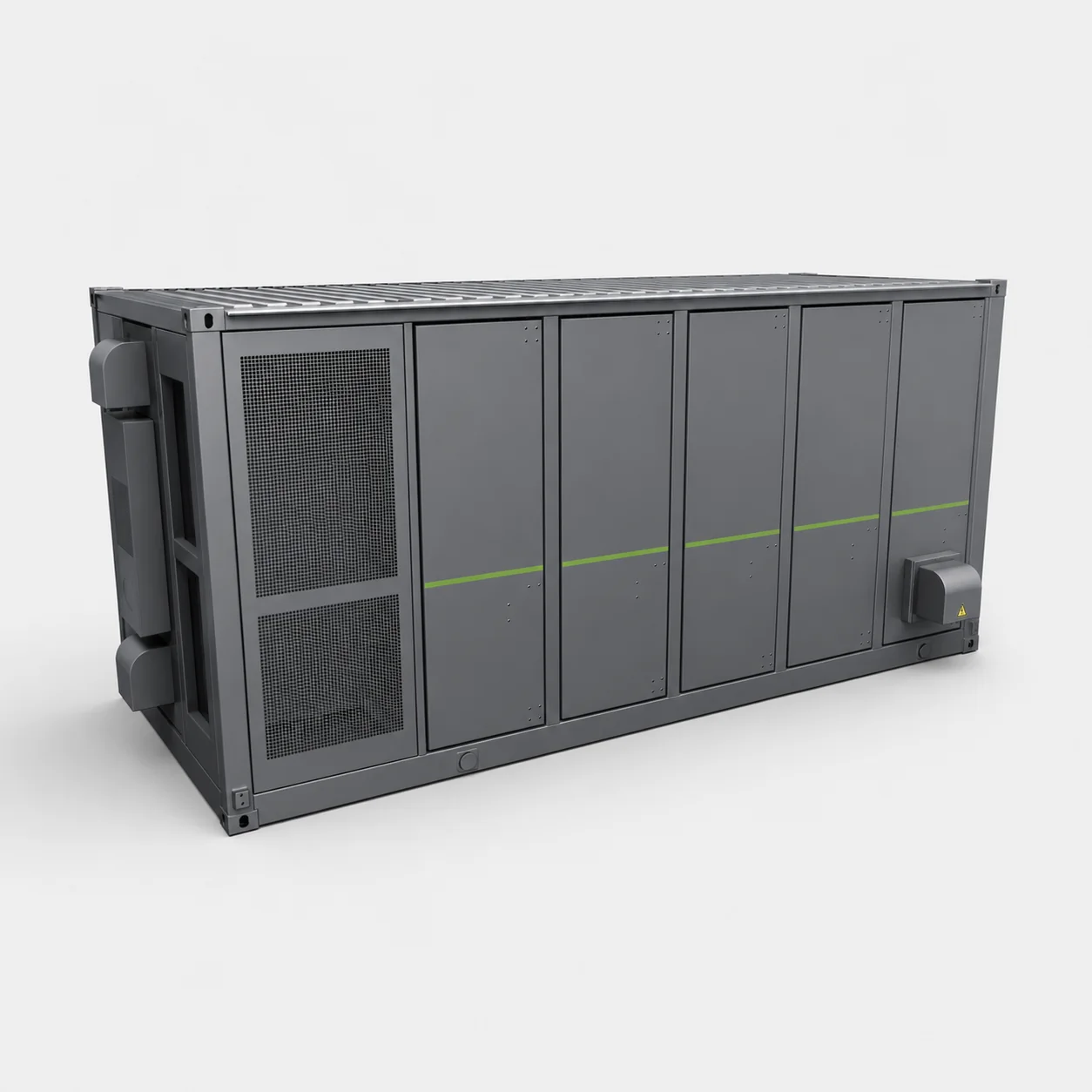
For a cabinet project, a 400 V interface may lead to a different switchgear and transformer scope than a container using a 690 V PCS stage and project-side step-up equipment. The 20ft/40ft container guide and quality and compliance page can support the evidence review, but the quote still needs a project-specific single-line diagram.
Step 04 · Performance
Normalize usable energy, duration and reserve SOC
Write the performance basis next to the price. “233 kWh” may describe rated battery energy, while the project requirement may be 200 kWh of usable AC energy for two hours at a defined ambient temperature and state of charge. Ask each supplier to show the conversion from rated energy to guaranteed delivered energy.
Record the minimum SOC reserve, permitted depth of discharge, round-trip efficiency, auxiliary consumption, temperature derating, ageing allowance and end-of-life condition. Also state whether the guarantee applies at beginning of life, end of life or a scheduled warranty test.
Use the kW vs kWh guide when a quote uses power and energy terms interchangeably, and use the peak-shaving sizing guide when the duty is based on measured demand peaks.
Step 05 · Evidence
Compare the documents behind the number
A low total can become expensive if the evidence package is incomplete. Request a controlled document register and identify the revision, language, approval status and delivery date for each item.
Before order
Datasheets, SLD, GA drawings, foundation loads, interface list, control narrative, fire design basis and compliance declarations.
Before shipment
FAT procedure, test records, serial-number list, calibration records, firmware version, packing list and shipping documents.
At handover
Commissioning records, energization checklist, training, as-built drawings, settings, alarm tests and final acceptance report.
Use the BESS FAT and factory inspection checklist to ask for comparable factory evidence. A document marked “available on request” should be logged as an open item until its scope and delivery date are confirmed.
Step 06 · Responsibility
Build a responsibility matrix before comparing totals
For EPC procurement, the most useful commercial comparison is often a responsibility matrix rather than a single ranking. Record the owner, price status, required input and acceptance evidence for each task.
| Activity | Supplier quote should identify | Typical open question |
|---|---|---|
| Transport and unloading | Incoterm, packaging, crane or forklift assumptions, insurance and storage limits. | Who unloads the container and accepts damage or delay at site? |
| Installation | Mechanical placement, DC/AC termination, auxiliary power, fiber and labeling. | Are labor, tools, consumables and supervision included? |
| Grid and permits | Studies, protection settings, certificates, authority submissions and witness tests. | Which party owns the grid-code compliance package? |
| Commissioning | Pre-energization checks, functional tests, dispatch tests, training and handover. | What constitutes successful acceptance and who records it? |
| After-sales support | Remote support, response route, spare parts, software access and escalation path. | Which support items are included in the quoted term? |
Supplier qualification is still useful, but it answers a different question. The C&I supplier qualification guide evaluates capability, references, documentation and support. This checklist evaluates whether the actual offers are aligned line by line.
Step 07 · Decision
Use a weighted scorecard, then review deviations
After normalizing scope, score the offers against the project priorities. A practical scorecard can include technical fit, usable-energy confidence, safety evidence, delivery schedule, commissioning scope, support, commercial risk and documented exclusions. Keep the weighting visible; do not hide a major scope gap inside an average score.
Comparable
- Same boundary and power basis
- Evidence list has revision and dates
- Exclusions are priced or assigned
Clarification required
- Usable energy or reserve basis unclear
- Transformer or EMS interface differs
- FAT or site labor is optional
A scorecard organizes risk; it does not prove that a supplier will meet a project guarantee. Carry the selected assumptions into the contract, approved drawings, FAT procedure and acceptance test.
RFQ template
What to send with the request for quotation
Attach one controlled pack containing the site location and ambient range, interval load and PV data, operating objective, required AC power and usable energy, duration, critical loads, grid voltage, point of connection, one-line diagram, footprint and access limits, communications, schedule, documents, FAT, commissioning, warranty and commercial terms.
Ask for a completed compliance matrix and a marked-up responsibility matrix. Require each deviation to reference the RFQ line number. This makes a follow-up call productive and gives the EPC a traceable basis for technical and commercial negotiation.
All product examples and ratings referenced on this page are screening references from published StorageCabinetPro product information. Final configuration, guarantees, compliance and project responsibility must be confirmed in the approved quotation and contract documents.
Buyer questions
Frequently asked questions
What is the most important item in a BESS supplier quote?
The most important item is a clearly defined supply boundary. The quote should state whether each battery, PCS, EMS, cooling, fire system, transformer, switchgear, delivery, commissioning and document package is included, excluded or supplied by others.
Should BESS quotes be compared by price per kWh?
Not by itself. A price per kWh can hide different usable-energy bases, PCS power, duration, auxiliary loads, warranty assumptions, grid-interface equipment, logistics and site services. Normalize the technical and commercial scope first.
What is the difference between supplier qualification and quote comparison?
Supplier qualification evaluates whether a company can support a project. Quote comparison evaluates whether individual offers use the same technical assumptions, inclusions, exclusions, evidence and responsibility boundaries.
Should FAT and commissioning be included in the BESS quote?
They should be listed explicitly. Ask for the FAT scope, test records, travel and labor assumptions, site commissioning activities, energization support, training and the handover documents required for acceptance.
How can an EPC make supplier quotes comparable?
Issue one controlled RFQ pack with the same load profile, electrical boundary, operating duty, ambient range, documents, delivery terms, test requirements and responsibility matrix to every supplier, then record deviations line by line.
Compare scope before price.
A controlled RFQ and responsibility matrix turn different BESS offers into a decision you can explain.