
Technical resources
Connect product data to the next buyer decision.
Fourteen technical guides now connect documented cabinet, container, hybrid and sodium-ion configurations to cost, duration, electrical design, sizing, safety evidence and quotation inputs.
Buyer engineering resources
Make the next technical conversation more productive.
Use the guide that matches the next decision, then connect the result to the RFQ and project responsibility map.
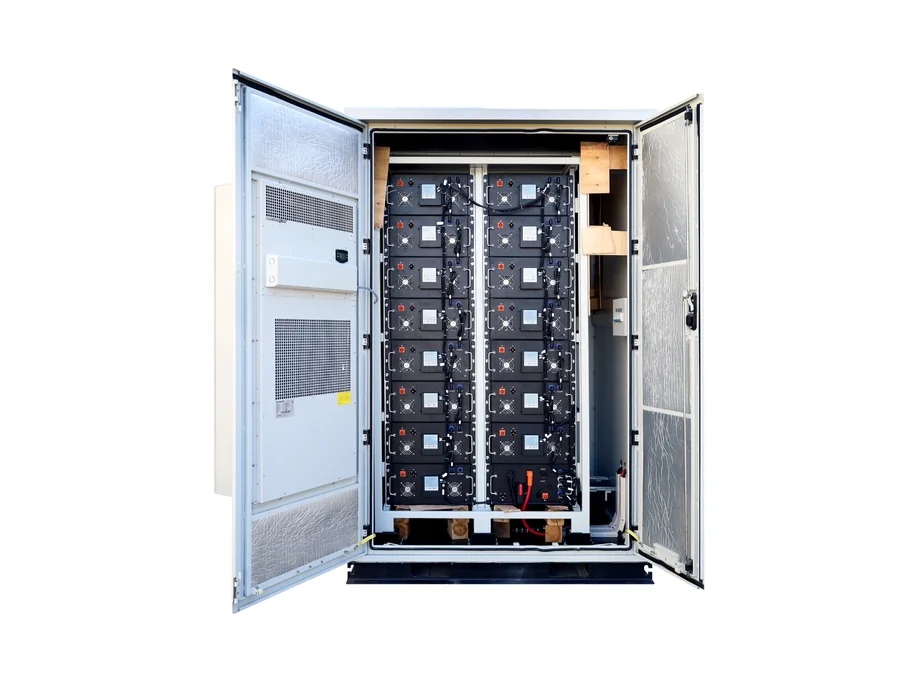
Outdoor battery cabinet
Review enclosure, thermal control, fire protection, service access and documents.
Read guide20ft and 40ft BESS containers
Compare layout, HVAC, fire scope, shipping and site handover requirements.
Read guidePCS and battery matching
Check voltage window, current limits, communication and grid operating mode.
Read guideC&I ESS site survey
Collect load, grid, ambient, installation and delivery-access data.
Open checklistPCS sizing
Relate PCS kW, battery kWh, overload and transformer limits to duty cycle.
Open checklistCooling and HVAC
Review airflow, condensation, alarms, filters and maintenance access.
Open checklistFAT and factory inspection
Define communication, alarm, E-stop, startup and shipment evidence.
Open checklistSupplier qualification
Check manufacturing scope, engineering responsibility, documents and warranty.
Open checklistCommercial battery storage cost
Separate battery, PCS, enclosure, electrical BOS, delivery and commissioning cost drivers.
Read guide2-hour vs 4-hour battery storage
Compare load shape, usable energy, SOC reserve, cycle duty and project economics.
2h vs 4h BESS400 V vs 690 V BESS
Review current, cable, switchgear, transformer and AC interface implications.
Read guidePeak shaving battery sizing
Translate interval load data, target demand and peak duration into kW and kWh.
Read guideBESS fire protection documents
Check design basis, detection, suppression, alarms, emergency stop and FAT evidence.
Open checklistLoad profile for a BESS quotation
Prepare interval demand, tariffs, PV, generators, critical loads and operating schedules.
Read guideHow to use the library
Move from site data to factory evidence.
Do not treat the guides as isolated checklists. Each one closes a boundary needed by the next project step.
Collect site inputs
Load, grid, ambient, footprint, access and operating target.
Screen a verified platform
Choose among three cabinets, three containers, one hybrid system and one DC cabinet.
Freeze evidence
Use the supplier quote comparison checklist to align the project datasheet, drawings, FAT, packing, commissioning, exclusions and warranty responsibility.
Apply the checklist to a live project.
Send the available drawings, load data and supplier documents. We will identify the missing scope before quotation.