
Key takeaways
- Compare usable energy and continuous AC power, not only nameplate battery capacity.
- Separate battery, PCS and enclosure pricing from transformer, switchgear, civil work and installation.
- Use one responsibility matrix so every supplier prices the same delivery and commissioning boundary.
Decision framework
Use this table to align the technical question before comparing equipment or supplier proposals.
| Cost area | What changes the quote | Evidence to request |
|---|---|---|
| Battery system | Usable kWh, C-rate, cycle target, cell and rack configuration | Datasheet, operating window and warranty conditions |
| Power conversion | Continuous kW, overload, grid mode, voltage and certification | PCS datasheet, single-line diagram and control description |
| Enclosure and safety | Cabinet or container, cooling, fire interfaces and service access | GA drawing, HVAC basis, fire matrix and maintenance plan |
| Electrical BOS | Transformer, MV/LV switchgear, protection, metering and cabling | Responsibility matrix and preliminary SLD |
| Delivery and services | Freight, unloading, FAT, installation, commissioning and training | Incoterm, packing plan, FAT procedure and service scope |
Start with the budget boundary
Commercial battery storage cost can mean three very different numbers: the battery equipment price, the delivered system price, or the installed project cost. A useful comparison labels each number clearly. Otherwise, a low equipment quote can appear cheaper simply because transformer, switchgear, civil work, shipping or commissioning sits outside the supplier boundary.
Define the site country, grid voltage, required operating mode and delivery point before comparing offers. Then identify who supplies each interface: battery, PCS, EMS, transformer, protection, fire system, communications, foundations, cable route, unloading and local approvals.
Power and duration drive different cost blocks
PCS power in kW determines the conversion stage, current, switchgear and transformer duty. Battery energy in kWh determines rack count, enclosure volume, cooling load and dispatch duration. Two projects with the same kWh can have very different cost because one requires much higher power, overload capability or islanding control.
Use usable AC energy at the required operating conditions when comparing duration. Nameplate DC energy alone does not show reserve SOC, conversion losses, temperature limits or end-of-life performance assumptions.
Before comparing cost, use the C&I LFP energy storage systems portfolio to align each quotation to the same cabinet or container model family, rated power, rated energy and 400 V or 690 V interface.
Compare quotations on one scope matrix
Issue the same input pack to every supplier: measured load data, target power, target duration, grid and transformer information, ambient range, site layout, cable distance, shipping destination and acceptance requirements. Ask suppliers to mark every line as included, excluded, optional or buyer-supplied.
Commercial evaluation should follow technical normalization. First align power, usable energy, operating mode, warranty basis and delivery scope. Only then compare price, payment milestones and lead time. This avoids treating incomplete quotations as equivalent to engineered project offers.
Use budget ranges without hiding uncertainty
Early-stage budgets should include a stated accuracy range and a list of open assumptions. As site data improves, convert allowances into quoted line items. The goal is not an unrealistically precise first number; it is a transparent path from screening budget to final purchase order.
For the next step, use the site’s industrial BESS quotation scope to define inputs and exclusions before requesting a configuration-based proposal.
Project requirements, local codes and site conditions take precedence over this general buyer guide. Final system design should be reviewed by qualified project professionals.
Starting configurations
Compare documented platforms.
Use these configurations for screening, then confirm usable energy, electrical boundary and responsibility scope for the site.
105 kW / 233 kWh Cabinet
Compact 400 V AC cabinet platform for distributed C&I sites.
View product →250 kW / 522.5 kWh Cabinet
Higher-power cabinet with dual battery strings and dual PCS architecture.
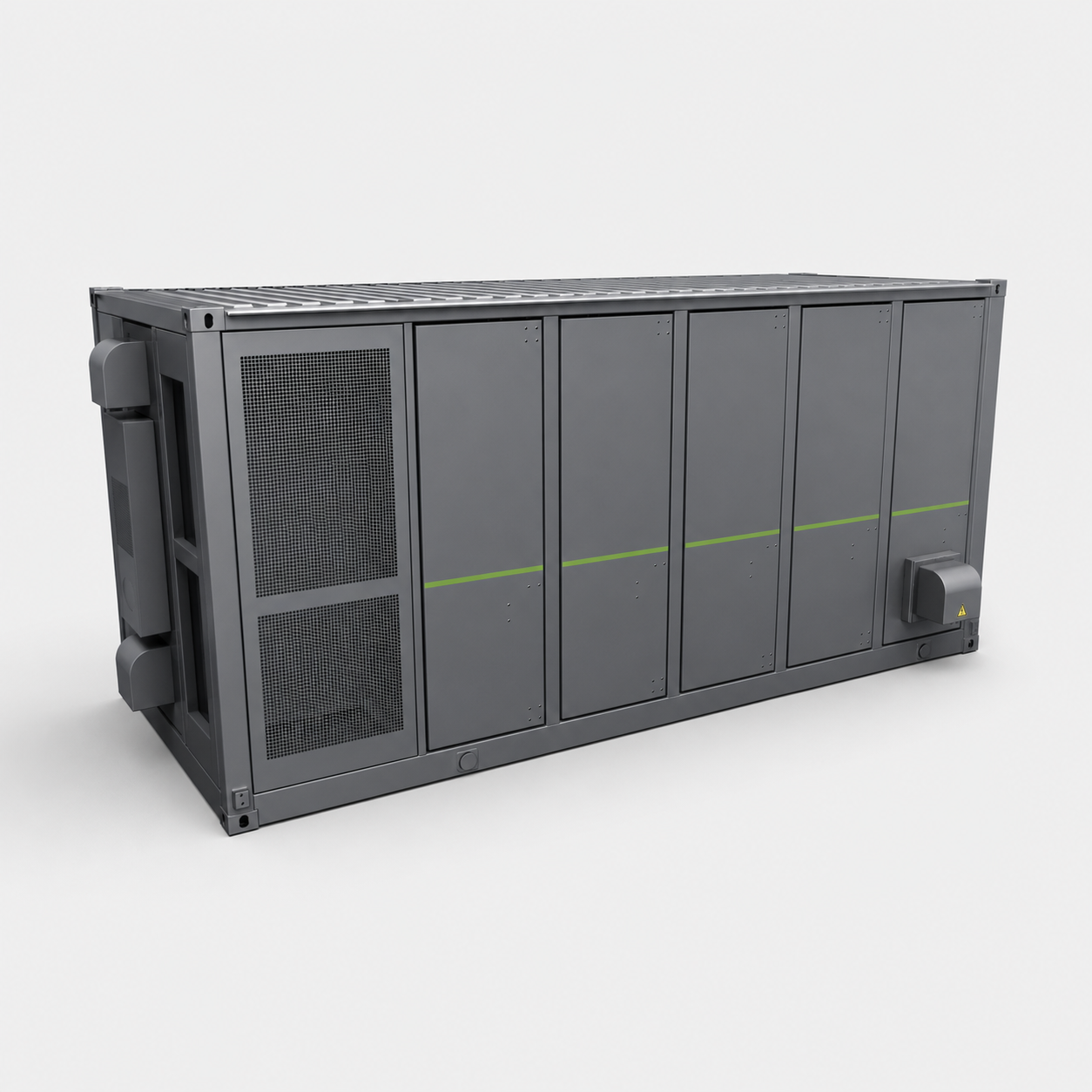
View product →1.25 MW / 3.354 MWh Container
Energy-led container platform with a 690 V PCS stage and project step-up interface.
View product →Buyer questions
Frequently asked questions
Why do commercial battery storage quotes vary so much?
Quotes often use different power, usable-energy, electrical BOS, shipping, installation and warranty boundaries. Normalize those items before comparing price.
Is battery price the same as installed BESS cost?
No. Installed project cost may also include PCS, transformer, switchgear, protection, EMS, fire scope, civil work, cabling, freight and commissioning.
Should buyers compare cost per kWh?
Cost per kWh is only a screening metric. It does not capture PCS power, grid-forming functions, voltage, safety scope, delivery conditions or project services.
What information is needed for a budgetary quote?
Provide load data, power and duration targets, grid voltage, transformer boundary, ambient conditions, site layout, operating mode and delivery location.
Match the requirement to a documented configuration.
Use measured site data, a clear electrical boundary and a shared responsibility matrix to request a comparable proposal.