
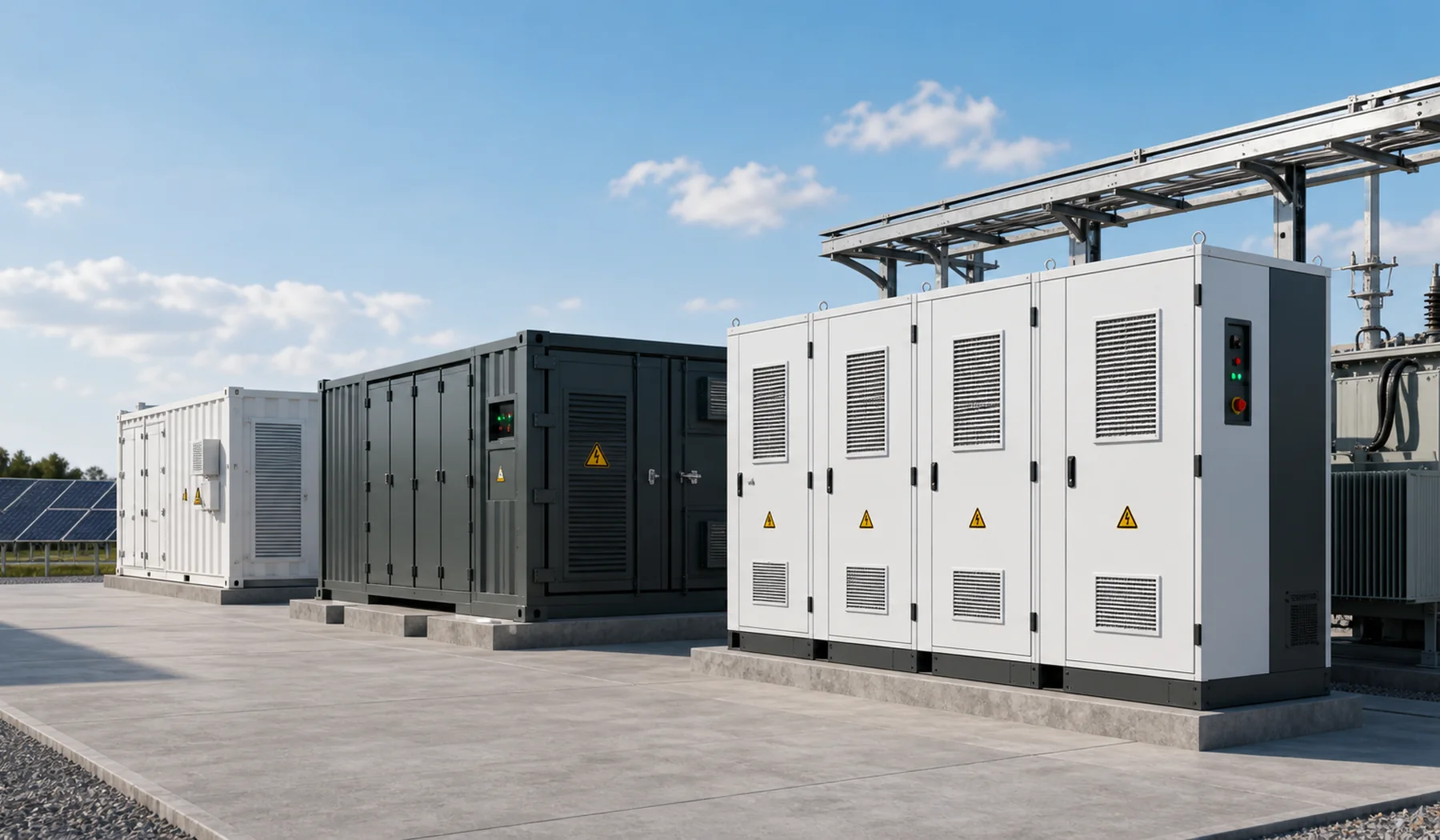
C&I energy storage · EPC-ready systems
Industrial energy storage, engineered for the real site.
Cabinet and containerized BESS configurations shaped around load profile, grid voltage, PCS boundary, installation environment and delivery scope—not a one-size-fits-all equipment list.
Built for technical buyers
Storage hardware is only one part of a bankable project.
StorageCabinetPro supports EPCs, system integrators, distributors and commercial project teams with a clearer route from site data to cabinet selection, integration scope and factory delivery evidence.
See the engineering processExplore C&I energy storage solutionsSystem portfolio
Choose the system class. Engineer the final configuration.
Start with the installation format and operating target, then confirm the electrical, thermal, control and delivery boundaries.
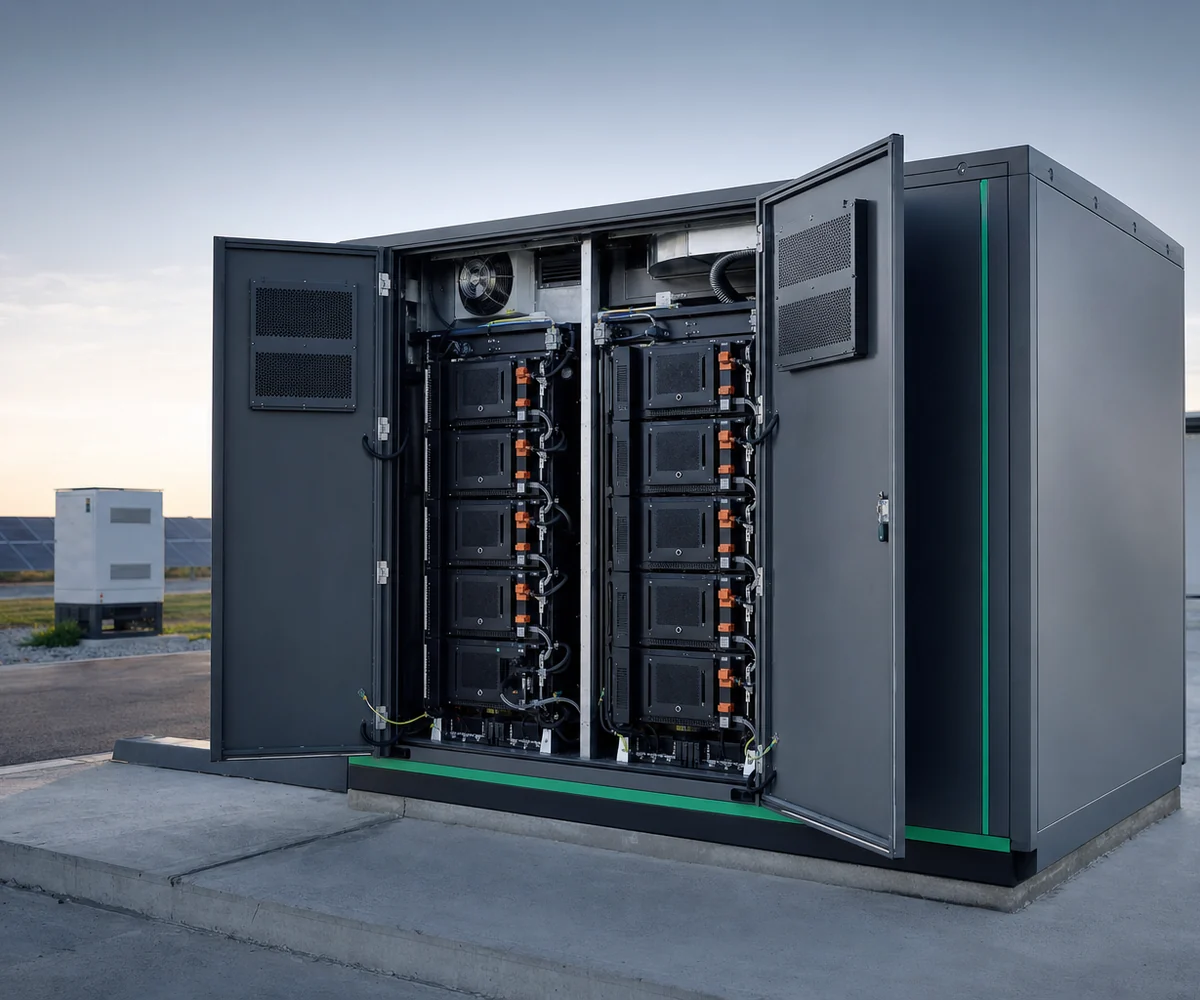
Compact C&I storage for distributed sites
Cabinet platforms for peak shaving, PV self-consumption, backup support and multi-site deployment.
View cabinet systems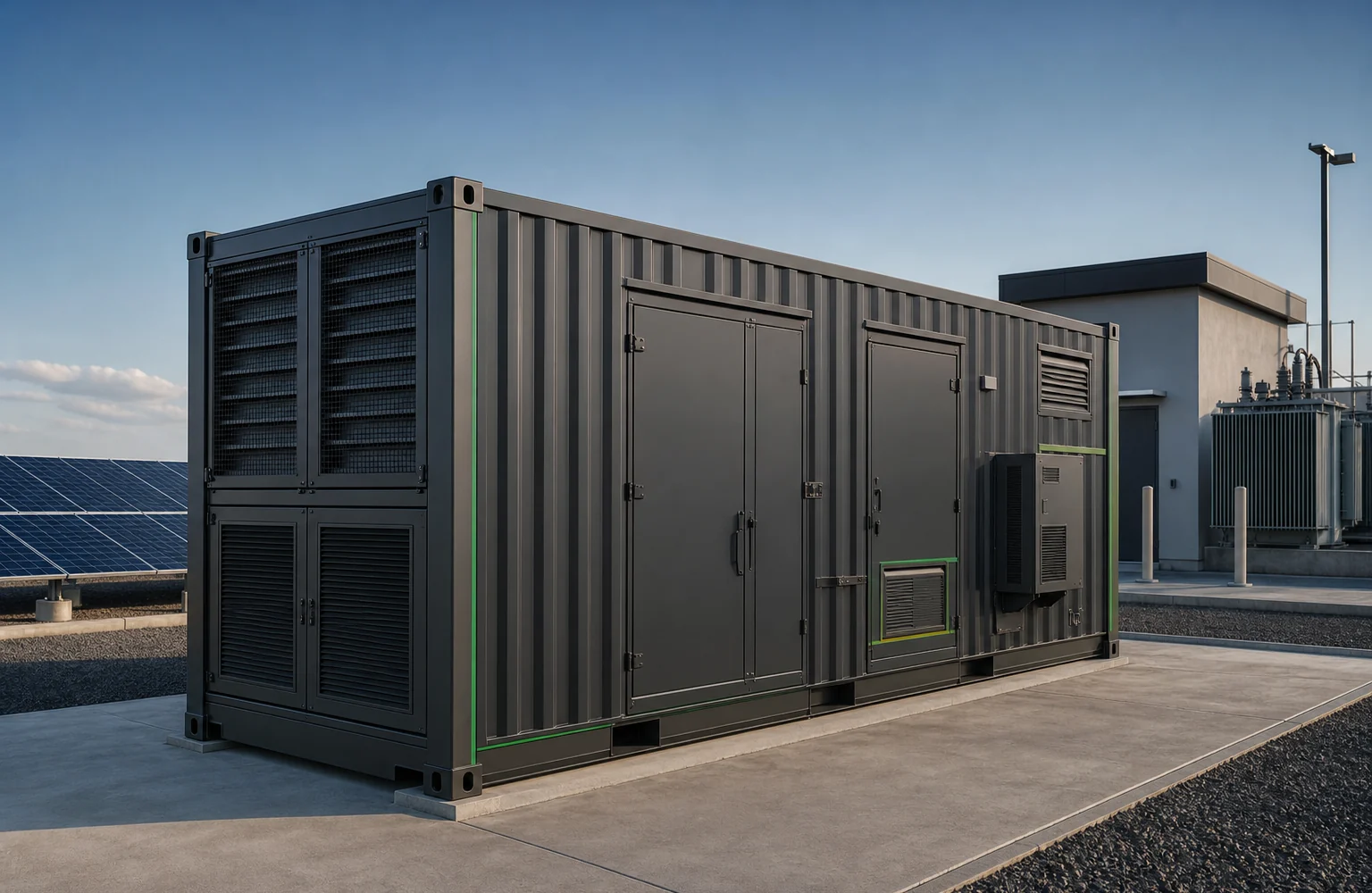
MWh-scale capacity for larger project sites
Container platforms developed around power target, grid interface, thermal control, fire protection and shipping scope.
Explore container BESS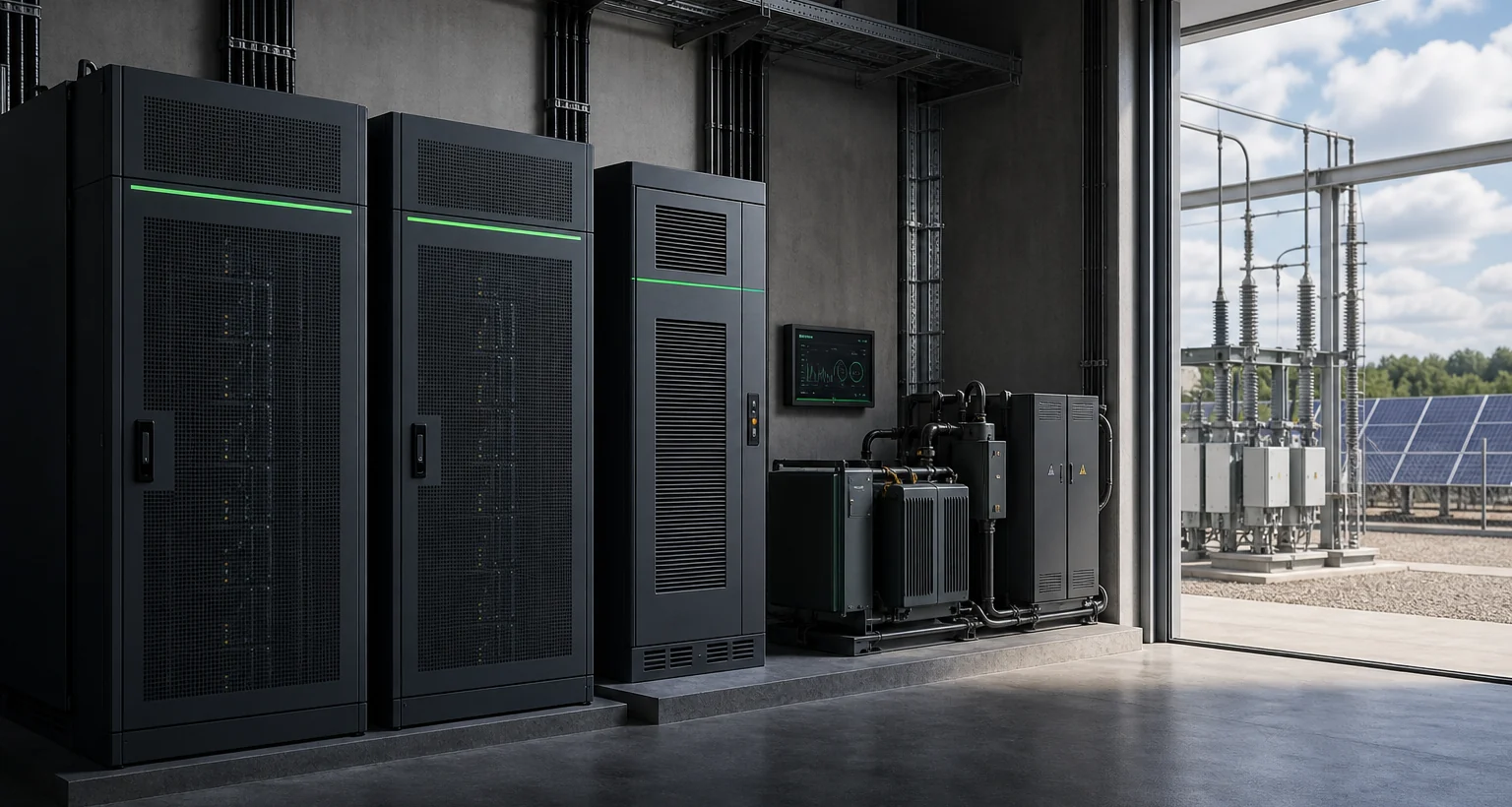
Battery, PCS, EMS and balance-of-system matching
Define communication, protection, transformer boundary, operating mode and commissioning assumptions before final quotation.
Review system matching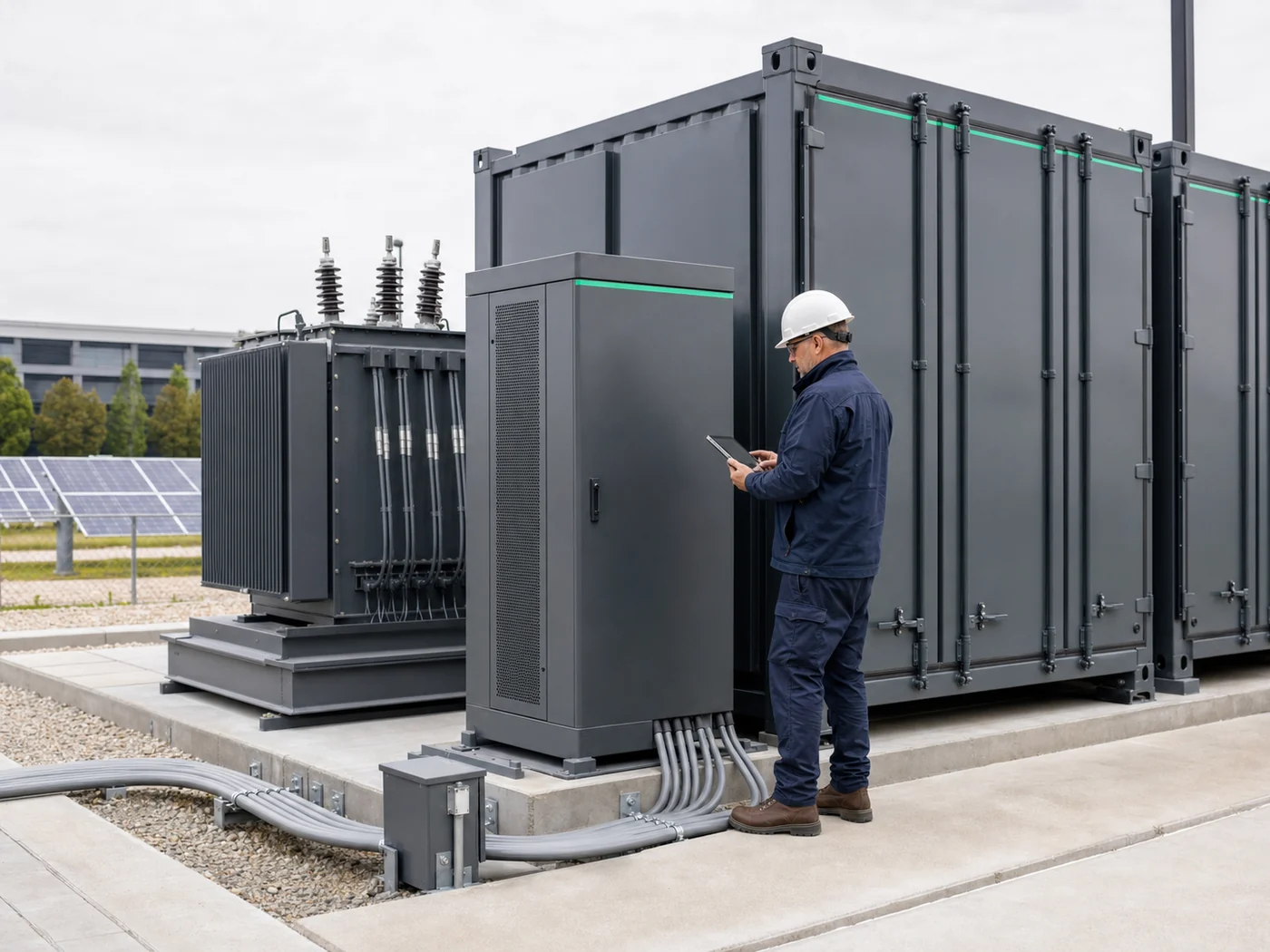
Quotation-ready engineering
Resolve the site boundary before it becomes a field problem.
A useful BESS quotation should make the equipment scope and interface assumptions visible. That starts with the right project inputs.
Commercial applications
One platform. Different operating priorities.
Application intent drives power-to-energy ratio, control strategy, reserve requirement and equipment boundary.
Peak shaving
Shift demand away from expensive periods and manage contracted capacity around the site load curve.
PV self-consumption
Store excess solar generation and coordinate charging and discharge around local demand.
Backup and resilience
Define critical loads, transfer behavior, autonomy target and black-start expectations early.
A clearer route to quotation
From project data to factory delivery evidence.
Share site data
Application, load curve, PV profile, grid voltage, capacity target, location and schedule.
Select system class
Screen cabinet, container and PCS-battery architecture against the operating requirement.
Freeze project scope
Confirm controls, HVAC, fire protection, communication, documents and responsibility boundaries.
Quote and verify
Align commercial scope, datasheets, drawings, FAT evidence, packing and delivery milestones.
Buyer engineering resources
Make the next technical conversation more productive.
Fourteen practical guides connect product data to cost, sizing, electrical design, safety evidence and an installable project scope.
Outdoor cabinet cooling and HVAC checklist
Review ambient range, airflow, filters, condensation, alarms and maintenance access.
Read the checklistPCS and battery cabinet matching guide
Compare power, capacity, voltage window, overload margin and communication requirements.
Review matching pointsC&I ESS factory inspection checklist
Prepare FAT checks for labels, wiring, cabinet condition, protection and shipment evidence.
Open FAT checklistCommercial battery storage cost guide
Separate battery, PCS, enclosure, electrical BOS, delivery and commissioning cost drivers.
Review cost factorsPeak shaving battery sizing guide
Translate interval load data, target demand and peak duration into required kW and usable kWh.
Open sizing guidePrepare a load profile for a BESS quotation
Organize interval demand, tariffs, PV, generators, critical loads and operating schedules.
Prepare project dataStart with a clean project brief
Bring us the site data. Leave with a clearer BESS scope.
Share the target kW and kWh, grid voltage, load profile, PV capacity, installation country, ambient conditions and expected schedule.