
EPC delivery and scope control
C&I Energy Storage Solutions for EPCs: Scope, Interfaces and Delivery Checklist
A C&I energy storage solution is useful to an EPC only when the operating target, equipment boundary, interfaces, evidence and site responsibilities are written together.
The short answer
For an EPC, the best C&I energy storage solution is not simply the largest cabinet or the lowest price per kWh. It is a documented package that connects the operating objective and measured site data to a selected platform, PCS and grid interface, controls, safety evidence, delivery boundary, commissioning tests and warranty responsibilities. Keep each assumption visible so the EPC can carry it into the single-line diagram, purchase order, FAT and acceptance record.
Step 01 · Inputs
Start with the EPC design basis
Before selecting a cabinet, container or hybrid platform, define what the system must do. Peak shaving, PV self-consumption, backup reserve, EV charging, industrial microgrid and UPS duties can require different power, usable energy, controls and transfer boundaries.
What must the system achieve?
State the dispatch priority, peak target, backup duration, reserve SOC, cycle window and success test.
What does the site actually need?
Provide interval load, PV, charger, generator and critical-load data with the time basis and seasonal notes.
Where will it be installed?
Record grid voltage, ambient range, altitude, corrosion, footprint, access, lifting, cable routes and local codes.
Use the C&I ESS site survey checklist to collect the inputs before asking suppliers to finalize a configuration. If the duty is based on demand peaks, the peak-shaving sizing guide explains which load data must be retained.

Step 02 · Platform
Choose a platform from the duty and site, not the label
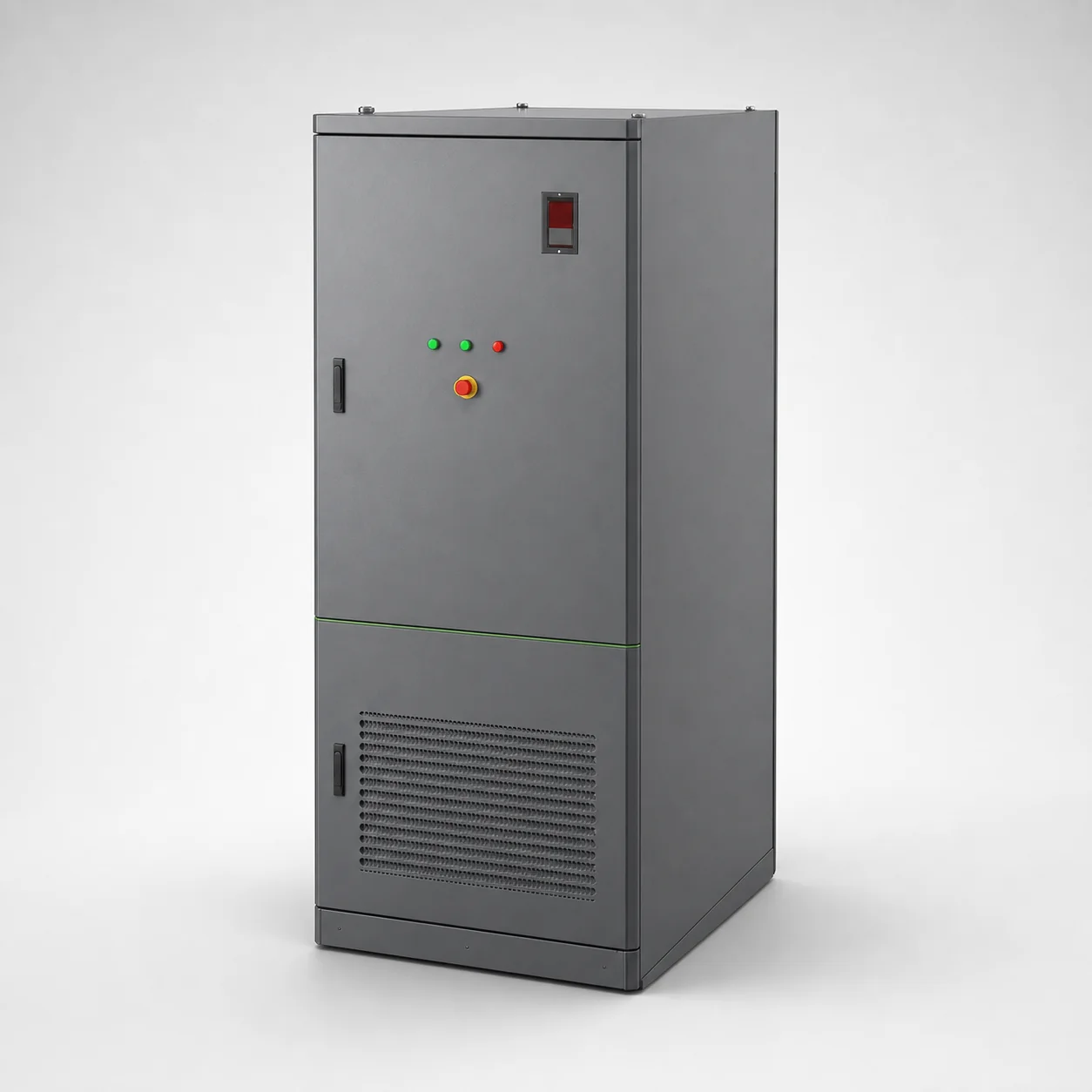
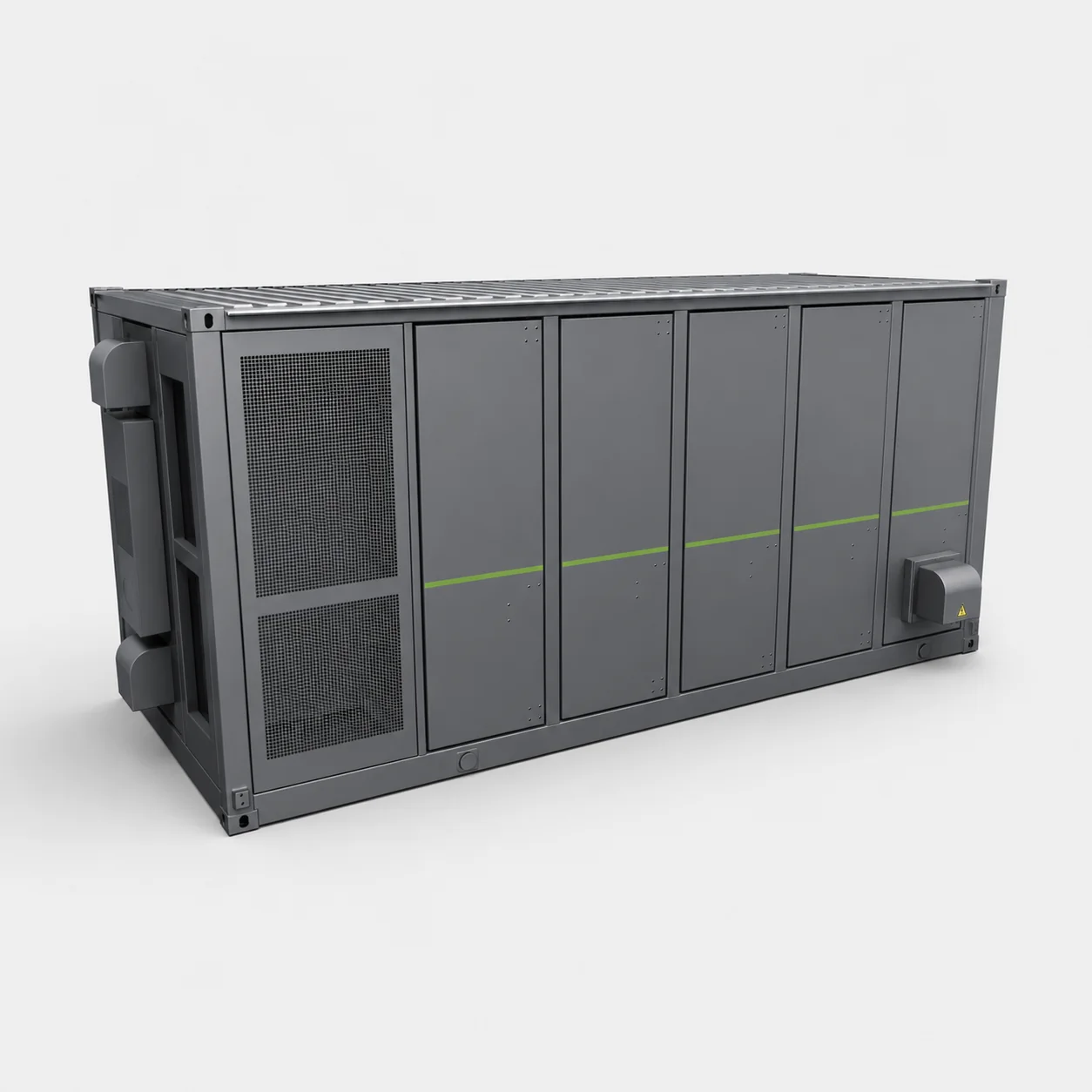
Cabinet ESS, container BESS, PV-storage-diesel hybrid and sodium-ion DC solutions can all serve different C&I project pathways. The format is only a starting point; the EPC still has to confirm the documented power, energy, DC window, AC voltage, cooling, fire, service access and site-installed equipment.
| Starting pathway | Use it to screen | EPC confirmation |
|---|---|---|
| C&I cabinet ESS | Distributed sites needing an integrated cabinet boundary and defined low-voltage AC interface. | PCS rating, parallel operation, transformer, switchgear, clearances, lifting and service access. |
| Container BESS | Project-scale storage where enclosure layout, transport and a higher-voltage PCS stage must be coordinated. | Container equipment list, PCS and step-up boundary, MV protection, foundation, crane plan and fire interfaces. |
| PV-storage-diesel hybrid | Sites combining PV, storage, a generator and source-priority or backup control. | PV and generator interfaces, transfer device, operating sequence, critical-load boundary and control testing. |
| Sodium-ion DC / UPS | Critical-power projects where a DC battery cabinet is reviewed around an external UPS. | DC voltage window, UPS compatibility, redundancy, DC protection, autonomy and commissioning record. |
These pathways are screening references from published StorageCabinetPro product information. The approved project datasheet and drawings remain the source for the final model, guarantee and responsibility boundary.
Step 03 · Interfaces
Resolve AC, DC, controls and site interfaces early
Most EPC risk sits between the product and the site. A solution should identify where battery DC ends, where the PCS connects, where the transformer or switchgear is supplied, where meters and CTs are installed, and who owns SCADA, emergency-stop and permission-to-operate signals.
| Interface | What the solution should state | Open question for the EPC |
|---|---|---|
| Battery and PCS | DC voltage window, current limit, BMS-PCS communications, charge/discharge limits and auxiliary power. | Does the proposed PCS operate across the battery window at the requested ambient and duty? |
| AC and transformer | AC voltage, frequency, power factor, transformer or step-up scope, protection and metering point. | At which boundary are kW, kVA, efficiency and reactive power guaranteed? |
| EMS and SCADA | Control modes, meter location, protocol, point list, remote access, alarms and cybersecurity owner. | Who supplies gateways, CTs, fiber, tags, time sync and integration testing? |
| Backup and safety | Critical-load list, STS/ATS, islanding or transfer behavior, E-stop, detection, suppression and site alarm links. | Which devices and permits are outside the packaged BESS and assigned to the site contractor? |
For a wider comparison, use the PCS and battery matching guide and the 400 V vs 690 V electrical design guide. The C&I energy storage solutions page explains the application layer, while this article focuses on the EPC delivery boundary.
Step 04 · Responsibility
Turn the solution into an EPC responsibility matrix
Do not place “turnkey” on the cover and leave the interfaces undefined. Mark every line included, excluded, optional or by others, then name the evidence and acceptance output for that line.
| Work package | Typical supplier or product scope | Typical EPC / owner clarification |
|---|---|---|
| Product package | Battery, BMS, PCS where specified, EMS, internal cooling, fire equipment and enclosure. | Exact model, quantity, options, internal cabling, spares and documented exclusions. |
| Electrical BOS | Transformer, switchgear, protection, metering, cable, earthing and network interfaces where priced. | Single-line, point of connection, utility study, local approvals and installation labor. |
| Civil and logistics | Packaging and shipping terms stated in the quotation. | Foundation, unloading, crane or forklift, route, storage, cable trenches and site readiness. |
| Testing and handover | FAT procedure, serial records, manuals, training and commissioning support where included. | Witness plan, energization, performance test, as-built documents, acceptance and warranty start. |
Use the supplier quote comparison checklist when different offers use different inclusions. That article compares supplier offers; this guide maps the resulting scope to the EPC project team.
Step 05 · Evidence
Freeze the documents before production and shipment
A credible EPC solution has a document chain, not only a product brochure. The approval set should show the selected configuration, interfaces, safety basis, test method and handover record.
Design freeze
Project datasheet, SLD, general arrangement, load and foundation data, interface list, codes, certificates and responsibility matrix.
Factory release
FAT procedure and records, serial list, calibration or test evidence, firmware revision, punch list, packing and shipping documents.
Commissioning closeout
Settings, energization checks, functional tests, training, as-built drawings, alarm records, acceptance and warranty start conditions.
For factory evidence, use the C&I ESS FAT and factory inspection checklist. For conformity and destination requirements, use the BESS conformity assessment page; neither page replaces model-specific approval documents.
Step 06 · Delivery
Carry one scope through quotation, FAT and commissioning
The EPC handover is safer when each milestone has an owner, input and acceptance output. Record changes against the same project datasheet and responsibility matrix instead of creating a new scope at each stage.
Issue the same basis
Send the measured duty, site data, SLD, layout limits, destination, schedule and evidence requirements to every bidder.
Clarify deviations
Compare platform, interfaces, inclusions, exclusions, guarantees, FAT and commissioning line by line.
Verify the ordered system
Match FAT, serial records, shipment condition, settings, tests and as-built documents to the approved offer.
Start with the Industrial BESS quotation scope matrix when the project brief is still incomplete, then use the BESS engineering process to keep design gates visible.
EPC questions
Frequently asked questions
What should an EPC send to a C&I energy storage supplier?
Send the operating objective, interval load and generation data, target AC power and usable energy, duration, point-of-connection voltage, single-line diagram, ambient conditions, footprint, access limits, communications, destination, schedule and required acceptance evidence.
Are cabinet and container BESS solutions interchangeable for an EPC project?
No. The choice changes the equipment boundary, transport and lifting plan, service clearances, PCS and transformer arrangement, civil works, fire interfaces and commissioning sequence. Select the format from the project duty and site constraints, not the enclosure label alone.
Is the PCS included in every C&I energy storage solution?
No. The quotation must identify the exact PCS, battery DC window, AC voltage, transformer or step-up equipment, protection, metering and control interfaces. Product pages are screening references; the approved project datasheet defines the purchased configuration.
Which documents should be approved before an EPC issues a purchase order?
At minimum, approve the project datasheet, single-line diagram, general arrangement, foundation and load information, interface list, responsibility matrix, fire and compliance register, document schedule and FAT plan.
How can an EPC compare two energy storage solutions fairly?
Use one controlled scope sheet and mark every line included, excluded, optional or by others. Compare the same power and usable-energy basis, interfaces, evidence, delivery terms, commissioning scope, warranty assumptions and open deviations.
Give the EPC one clear BESS boundary.
Connect the operating target, equipment, interfaces, evidence and handover tests before the quote becomes a field problem.