
Delivery and handover control
BESS Post-Shipment Inspection Checklist: Delivery to Site Handover
A BESS post-shipment inspection should turn delivery into controlled evidence: verify the received system, protect the installation window and define who owns every exception.

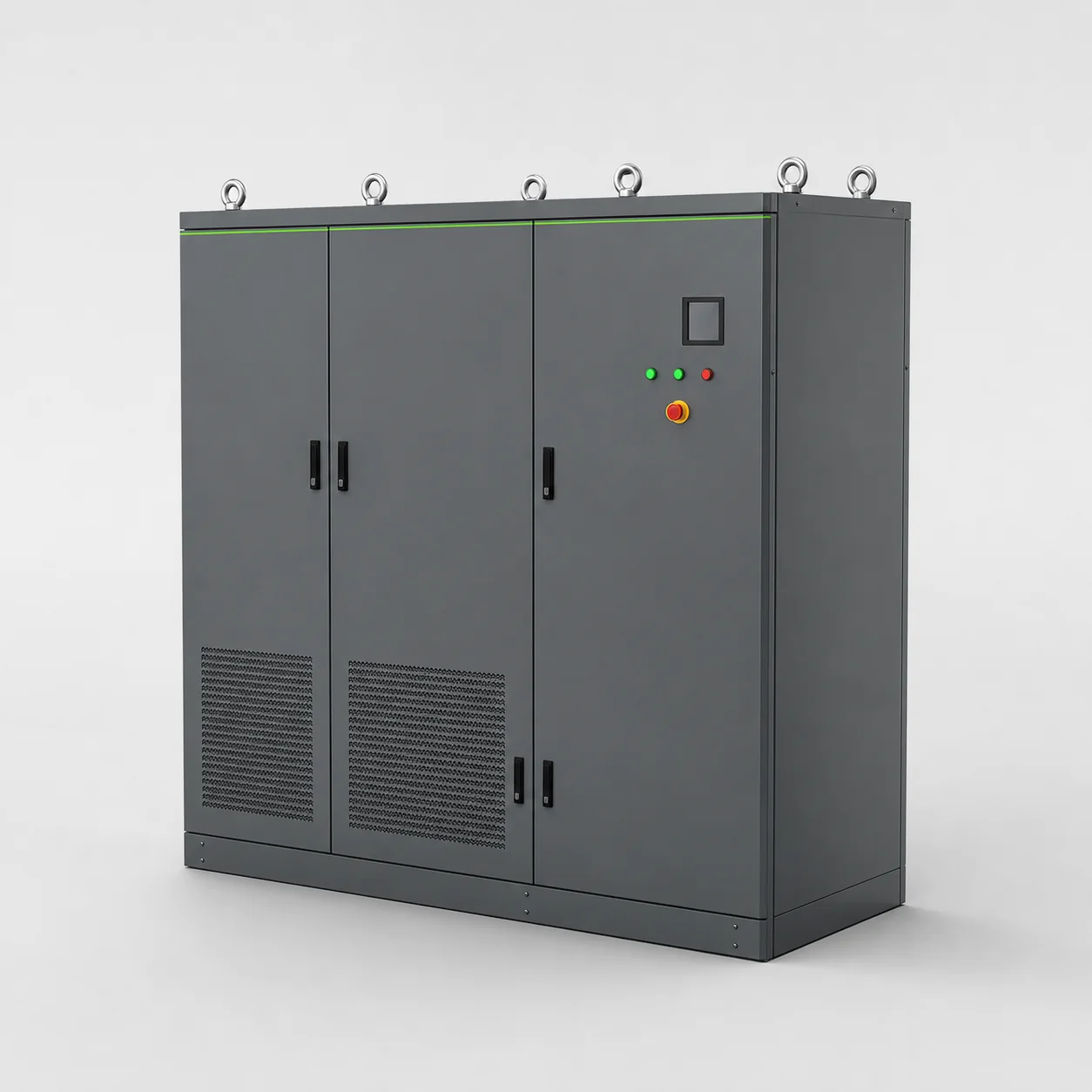
The short answer
A BESS post-shipment inspection is the receiving and handover process that proves the system arrived in the ordered condition and can move safely into storage, installation and commissioning. Start before unloading: photograph the package, seals and impact indicators; compare serial numbers and packing records; inspect for water, shock or handling damage; record exceptions on the delivery note; then verify storage, lifting, installation, documents and warranty responsibilities. Do not treat a signed delivery receipt as proof that the battery system passed technical acceptance.
Step 01 · Before unloading
Preserve evidence before the package moves
Receiving evidence is easiest to lose in the first ten minutes. Assign one person to document the delivery while the lifting team follows the approved method statement. If the carrier record is signed without an exception, later damage claims become harder to investigate.
Record the external condition
Capture truck position, crate or cabinet faces, corners, labels, seals, shock or tilt indicators, water marks and any puncture before opening or unloading.
Check the delivery boundary
Confirm consignee, destination, package count, delivery note, Incoterm, carrier reference and who is authorized to accept exceptions.
Stop when damage is credible
Quarantine suspected damage, keep the packaging, notify the responsible party and request written disposition before energization or repair.
A visual receiving check does not replace electrical testing, insulation checks, commissioning or the approved site acceptance procedure.

Step 02 · Scope and identity
Match the received system to the approved order
Do not rely on a cabinet name or a photograph alone. Compare the received equipment with the approved project datasheet, purchase order, packing list and serial-number record. Record model, quantity, options, firmware labels and accessories so a later commissioning issue can be traced to the delivered configuration.
| Receiving line | What to verify | Evidence to retain |
|---|---|---|
| Identity | Model, serial number, quantity, cabinet or container designation, nameplate ratings and approved options. | Photographs, serial register, packing list and approved datasheet. |
| Physical condition | Enclosure, doors, locks, panels, cable glands, lifting points, vents, HVAC, fire devices and corrosion protection. | Timestamped photos, exception log and carrier record. |
| Included items | Spare parts, tools, manuals, labels, communication accessories, sensors and loose-shipped components. | Packing-list mark-up and signed shortage report. |
| Configuration | BMS, PCS, EMS, firmware or parameter labels and any change from the approved offer. | Configuration record, deviation register and supplier confirmation. |
Step 03 · Temporary storage
Protect the battery before installation
If installation cannot start immediately, the receiving inspection becomes a storage-control task. Follow the approved storage instructions for temperature, humidity, SOC, ventilation, fire separation, access and inspection interval. The exact limits are model- and project-specific; do not invent a generic storage period or charging routine.
Control the location
Keep the unit on the approved surface with drainage, clearance, security, fire separation and protection from water, dust, impact and unauthorized access.
Record the approved condition
Capture the received SOC or indicator and follow the responsible supplier’s instructions for monitoring, recharge, isolation and maximum storage duration.
Make changes visible
Record date, ambient conditions, alarms, enclosure condition, SOC evidence, access and any deviation until the equipment enters installation.
Use the C&I ESS site survey checklist to confirm the installation environment, access, foundation, cable routes and service clearances before the delivery window is fixed.
Step 04 · Installation readiness
Do not unload into an unprepared site
Delivery is only useful when the site can receive, place and connect the system safely. Confirm the lifting plan, route, crane or forklift capacity, foundation or slab, working clearances, cable route, earthing, auxiliary power, network and local permit requirements before the vehicle arrives.
| Readiness area | Question before placement | Responsible evidence |
|---|---|---|
| Logistics | Can the route, turning radius, unloading zone and lifting points support the actual package weight and dimensions? | Approved method statement, lifting plan, route survey and equipment certificates. |
| Civil and environment | Is the foundation level, load-rated, drained and clear of the required service and fire separation zones? | Foundation sign-off, layout drawing, survey and site photos. |
| Electrical | Are transformer, switchgear, protection, earthing, cable terminations and auxiliary supplies ready at the agreed boundary? | SLD, cable schedule, test plan and responsible-party matrix. |
| Controls and safety | Are network, meters, EMS/SCADA, emergency stop, fire interfaces and permits ready for commissioning? | Point list, control narrative, permit record and commissioning plan. |
For the engineering gates that connect inputs, design, FAT and delivery, see the BESS engineering process. A receiving report should point to the next approved gate, not replace it.
Step 05 · Documents
Build a handover pack that can be audited
Use a controlled document register with revision, owner, status and delivery date. The pack should let the EPC or owner identify what was shipped, how it should be installed, what remains open and who will support commissioning.
Prove what arrived
Packing list, commercial and transport records, serial register, photographs, damage report, certificates and loose-item checklist.
Prepare the installation
Datasheets, GA and foundation drawings, SLD, cable and interface lists, manuals, firmware or parameter records and safety instructions.
Close the responsibility loop
FAT evidence, commissioning plan, training record, punch list, as-built documents, warranty contacts and agreed acceptance criteria.
Use the C&I ESS FAT and factory inspection checklist for factory evidence, then carry the same configuration and open deviations into site commissioning.
Step 06 · Warranty and exceptions
Define when delivery becomes an accepted system
Shipment, delivery, installation, commissioning and acceptance are different events. The contract should define which event starts each warranty, what happens when equipment is stored before installation, how damage or shortages are reported, and which open punch-list items prevent acceptance.
| Event | Record | Do not assume |
|---|---|---|
| Delivery received | Condition, package count, serials, exceptions and carrier acknowledgment. | That a signed delivery note proves technical acceptance. |
| Installation complete | Placement, cabling, earthing, settings, network and safety interfaces. | That site readiness is included in the product price. |
| Commissioning | Energization, functional tests, alarms, dispatch or backup tests and training. | That the warranty start is automatically the commissioning date. |
| Final acceptance | Closed punch list, as-built records, acceptance report and support contacts. | That an unresolved deviation disappears after handover. |
For a broader supplier review, use the BESS supplier quote comparison checklist and record the warranty start condition in the responsibility matrix.
Receiving questions
Frequently asked questions
What is a BESS post-shipment inspection?
It is the controlled check performed when the battery energy storage system arrives at the destination. The inspection compares the received equipment, packaging, labels, visible condition, documents and site-readiness evidence with the approved order and shipping records.
What should be checked first when a BESS arrives?
Photograph the package before unloading, record seal and impact indicators, check the packing list and serial numbers, inspect for water or mechanical damage, and note any exception on the carrier delivery record before signing it.
Can a damaged BESS cabinet be energized?
Do not energize equipment with suspected impact, water ingress, damaged cables, displaced modules, alarmed safety devices or unclear shipping status. Isolate the unit, preserve evidence and obtain written technical disposition from the responsible supplier or engineer.
How should a BESS be stored before installation?
Follow the project and manufacturer storage instructions for temperature, humidity, SOC, ventilation, fire separation, access, inspection interval and maximum storage duration. Record each inspection and any change in the storage environment.
When should the BESS warranty start?
The contract should define the warranty start event, such as shipment, delivery, commissioning or acceptance. Record the agreed trigger, serial numbers, commissioning date and open punch-list items so shipment does not silently start a different warranty clock.
Turn shipment into a controlled handover.
Condition, identity, storage, readiness, documents and warranty boundaries should stay visible from delivery to acceptance.